How to Seal Painted Mason Jars: Finishes and Care
Compare brush-on clear coat, clear acrylic spray and wax for painted jars, choose between matte and gloss, apply thin coats that air dry, and look after the finished decorative jar.
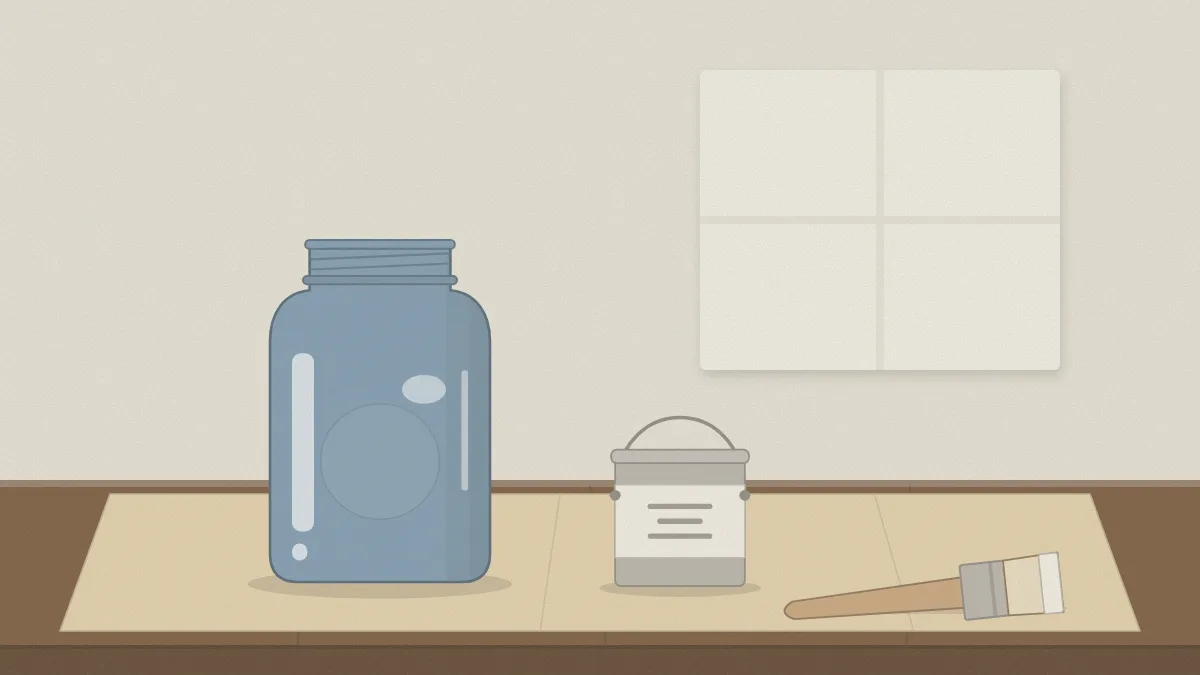
If you seal painted mason jars with a clear top coat, the paint is far less likely to scuff, chip at the rim or pick up fingerprints when the jar is moved and dusted. Glass gives paint very little to hold on to, so a protective layer earns its place on any jar that will be handled.
A sealer has limits, though, and it is worth knowing them before you choose one. It protects a decorative finish from everyday wear. It does not turn a painted jar into something else.
Does every painted jar need sealing?
Not always. A jar that will sit untouched on a high shelf can go without. Sealing is worth the extra step when:
- the jar will be picked up often, such as a desk organizer or a brush holder
- the paint is chalk-style, which stays soft and powdery and marks easily
- the finish has been sanded, so bare edges and thin paint are exposed
- the jar is a gift and will be wrapped, carried and unpacked
Check what your paint label says first. Some multi-surface acrylics are made to be used without a top coat, and some paints and sealers do not sit well together. If you have not painted the jar yet, start with how to paint mason jars, because a sealer cannot rescue paint that is peeling from poorly prepared glass.
Three types of sealer
| Type | How it goes on | Best for | Keep in mind |
|---|---|---|---|
| Brush-on water-based clear coat | Soft flat brush, thin coats | Most acrylic and chalk-style finishes; indoor work | Can show brush marks if applied thickly |
| Clear acrylic spray sealer | Light misted coats | Textured, stenciled or detailed jars | Needs outdoor or well-ventilated use, as the can directs |
| Clear wax | Rubbed on with a cloth, then buffed | Chalk-style paint with a soft, aged look | Softest protection; may need renewing |
Whichever you pick, confirm on the label that it suits your type of paint and a glass surface, and test it on the base of the jar or on a spare painted jar before coating the whole piece.
Matte or gloss?
Sheen changes the character of a jar more than most people expect. A matte sealer keeps the flat, chalky look that suits farmhouse and rustic styles, and it hides brush marks and small flaws. A gloss sealer deepens color and reflects light, which gives a cleaner, more modern look but shows every ridge and dust speck underneath. Satin sits between the two.
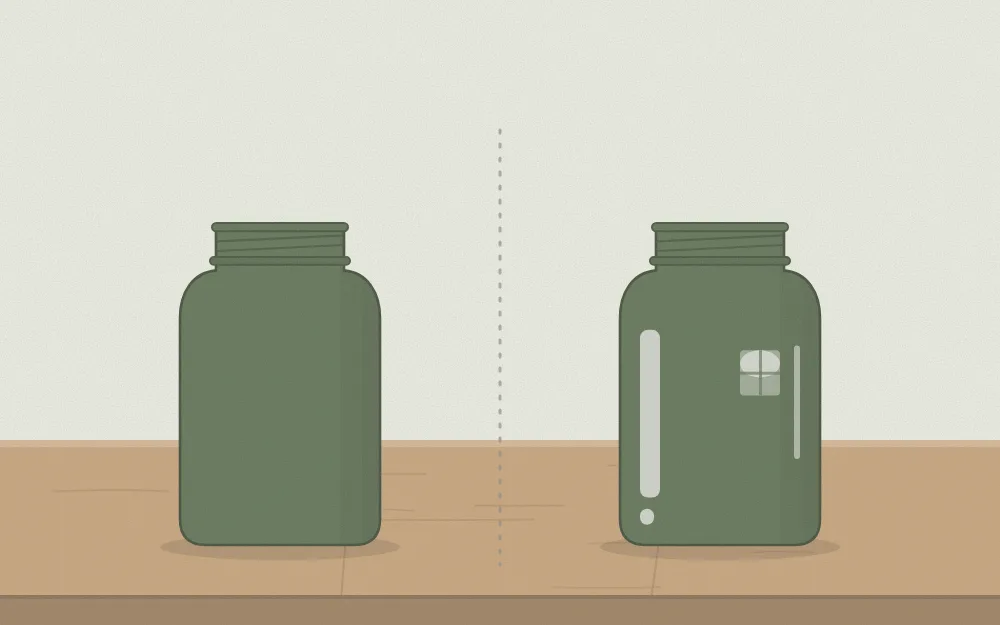
Some clear coats shift pale colors slightly, and a few can yellow a little over white, which is another reason to test first. On a distressed jar, sheen matters even more: matte keeps the worn edges looking natural. The guide to distressed painted mason jars covers when to sand and when to seal.
How to apply a brush-on sealer
- Wait until the paint is fully dry, for as long as the paint label directs. Sealing too early can trap moisture and leave a cloudy film.
- Wipe away dust with a dry, soft cloth.
- Stir the sealer gently. Do not shake it, because bubbles end up in the finish.
- Load a soft flat brush lightly and apply a thin coat in long strokes from the neck to the base. Avoid going back over areas that have started to set.
- Let the coat air dry as the label directs, then add a second thin coat. Two or three thin coats protect better than one thick one, which can drip and stay tacky.
Rest the jar upside down over a bottle or a roll of tape while you work, so you can turn it without touching the wet surface. Stop the sealer just below the threads if you plan to screw the band back on, because built-up layers there make it stick.
Using a clear acrylic spray
Spray suits raised textures and fine stencil work that a brush might smear. Work outdoors or in a well-ventilated area, as the can directs, on a still day and over a drop cloth. Follow the label for shaking, spraying distance and any protective gear.
Keep the can moving and build up several light passes, turning the jar between them. A heavy coat runs on glass almost at once. Let each coat air dry for the time the label gives before adding the next.
Waxing chalk-style paint
Clear wax gives chalk-style paint a soft, low sheen that feels smooth to the touch. Pick up a small amount on a lint-free cloth, rub it into the dry paint in circles, and wipe away the excess. Leave it for as long as the product directs, then buff gently with a clean cloth.
Wax is the gentlest of the three finishes. It resists dust and fingerprints but not moisture or scraping, and it is not meant to be layered under other sealers.
What a sealer does not do
Watch out
A sealed painted jar is still a decorative object. A sealer does not make a painted jar suitable for food or drink, and it does not protect the finish from heat. Never put a painted or sealed jar in a dishwasher, and don’t leave it to soak.
Keep paint and sealer on the outside of the jar only. For fresh flowers, use a clear, unpainted jar, or stand a plain inner container inside the painted one, because standing water can lift a finish at the rim and base even when it is sealed.
Paper finishes follow the same rule. If your jar is covered in napkin or tissue, the top coats described in decoupage on mason jars do the sealing, and the same care applies.
Caring for a sealed jar
Most of the time, a soft, dry cloth or a clean dry paintbrush is all a sealed jar needs. For a mark that will not dust off, wring a cloth out until it is barely damp, wipe gently, and dry the spot straight away. Skip scouring pads and spray cleaners, which can dull or soften the coat.
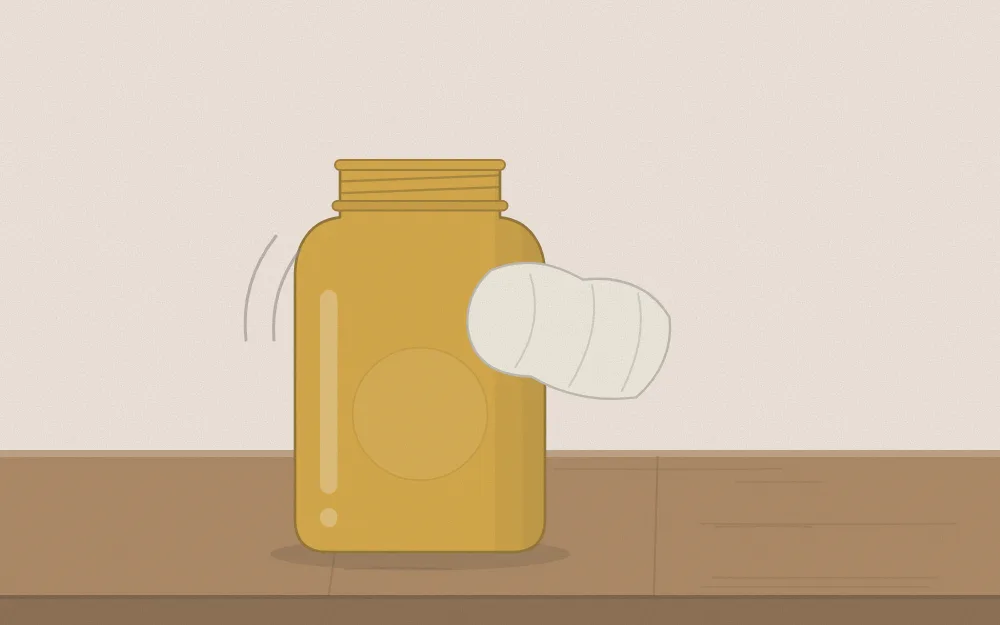
Display sealed jars out of strong direct sun and away from damp spots such as a steamy windowsill. If the rim chips over time, touch it up with the original paint, let it air dry fully, and reseal just that area.
Frequently asked questions
What is the best sealer for painted mason jars?
There is no single best one. A brush-on water-based clear coat is the easiest all-round choice for indoor work, a clear acrylic spray suits textured or stenciled jars, and clear wax gives chalk-style paint a soft aged look. Check each label for compatibility with your paint and with glass.
Can you wash a sealed painted mason jar?
Only very gently. Dust it, or wipe the outside with a barely damp cloth and dry it right away. Don't soak a sealed jar or put it in a dishwasher, because a clear coat protects against light handling and dust, not against standing water or scrubbing.
How many coats of sealer does a painted jar need?
Two or three thin coats usually give better protection and a clearer finish than one heavy coat, which tends to drip and stay tacky. Let each coat air dry for the time the product label gives before adding the next, and stop once the surface looks even.

